
Adrian Geigle
Founder of PadelFinder.io · May 2026 · 7 min read
Smooth, rough or 3D surface?
What racket texture really changes
Surface texture is one of the most misunderstood racket specs. A rough racket does not magically create spin for you. Spin mainly comes from your swing path, contact point and racket-head speed. The surface can still matter because it changes how strongly the ball grips the face during contact. This guide explains the differences without marketing fog.
First: the player creates spin, not the racket
When the ball hits the racket, it is compressed for a very short time. During that contact, the ball can either slip more easily over the face or grip it more strongly. The more tangential your swing is, the more relevant this grip becomes.
That means: a textured surface can help you transfer your technique more cleanly into spin. But if the swing is flat and the racket path does not brush the ball, the texture alone will not suddenly create heavy topspin or slice.
Think of the surface as grip between ball and racket. It influences the contact, but it does not replace timing, wrist stability or swing path.
The four common surface types
Most current padel rackets fall into one of these groups. The borders are not always perfectly clean because brands use their own names for similar ideas.
Smooth surface
Clean contact, predictable feel
The ball releases cleanly from the face. The feel is direct and predictable, especially on blocks, volleys and defensive shots.
Good for beginners, control players and anyone who values consistency over extra texture.
Sandy rough surface
More friction on brushed hits
A sandpaper-like coating increases friction. On slice, vibora or brushed topspin shots, the ball can grip the face more strongly.
Good for players who already use spin deliberately. The coating can wear down over time.
3D relief surface
Raised structure on the face
The texture is built into the mold or top layer. Depending on the pattern, it can add grip while staying more durable than a simple coating.
Interesting for intermediate and advanced players who want tactile feedback and a more structured impact.
Hybrid texture
3D relief plus rough coating
Hybrid faces combine a raised structure with a rough finish. They offer the strongest texture feel, but are also the most specific.
Best for players with clean technique who actively vary spin, kick and cut.
Which surface fits which player?
There is no universal best surface. The right answer depends on how cleanly you hit, how much spin you actually play and how much predictability you want.
Beginners: smooth or only lightly textured
At the start, a large sweet spot and predictable ball release matter more than aggressive texture. A smooth face helps you build stable technique.
Control players: smooth or subtle 3D
If you win points through placement, lobs and defense, you usually benefit from a surface that feels controlled and does not make the impact too nervous.
Allround players: light roughness or hybrid light
If you switch between defense, volleys and attacking shots, a moderate texture can give extra grip without making the racket too specialized.
Offensive players: rough, 3D or hybrid
For vibora, bandeja, kick smash and cut volleys, texture can support your technique. The swing still does the work, but the surface can make contact cleaner.
Arm-sensitive players: do not choose by texture alone
If elbow or wrist comfort matters, core hardness, weight and balance are usually more important than the surface. A rough face on a hard, head-heavy racket can still feel demanding.
Material and texture are not the same thing
Carbon, fiberglass and aluminized carbon describe the face material. Smooth, sandy, 3D or hybrid describe the outer texture. A carbon racket can be smooth, rough or 3D. A fiberglass racket can also have texture.
That is why product descriptions can be confusing: one shop talks about 12K carbon, another about rough finish, another about 3D Spin. These are different layers of the same racket spec.
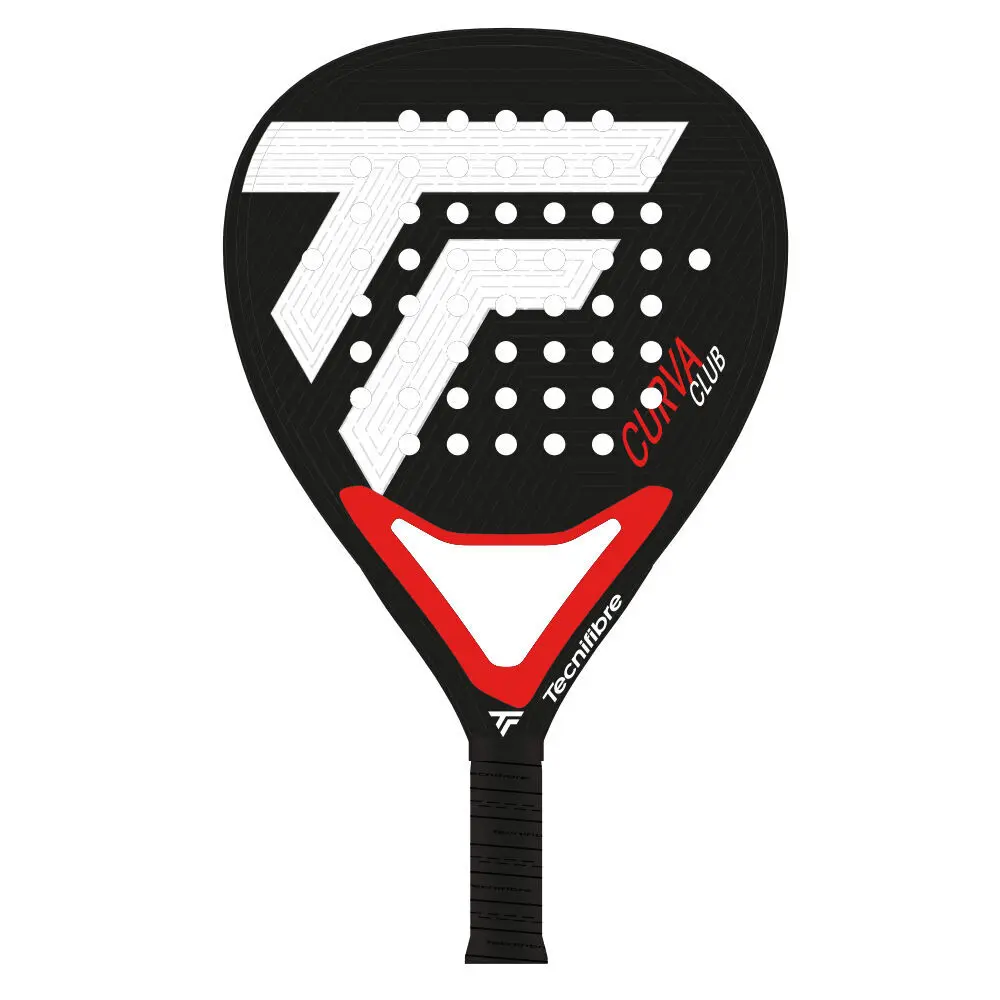
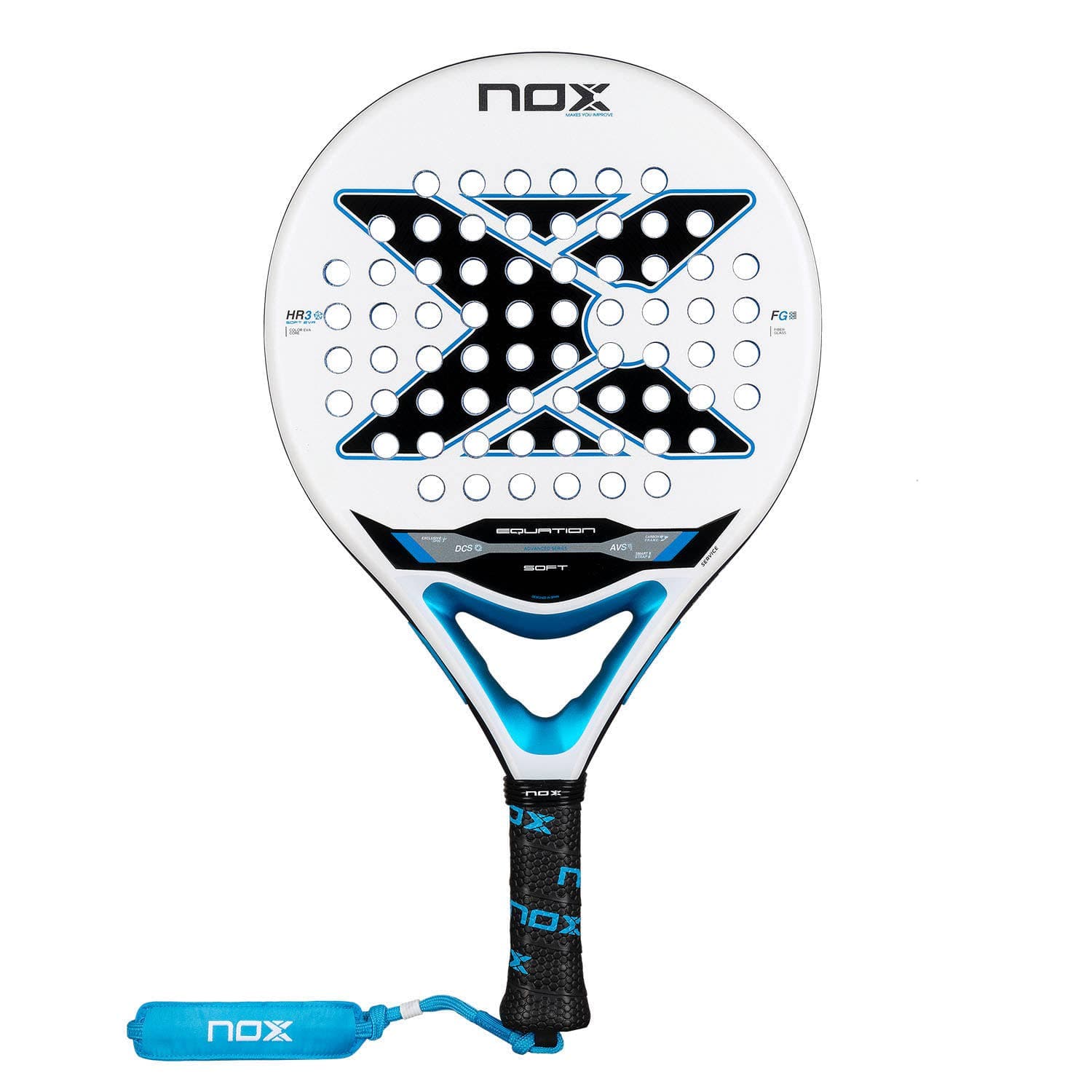
Examples from the current catalog
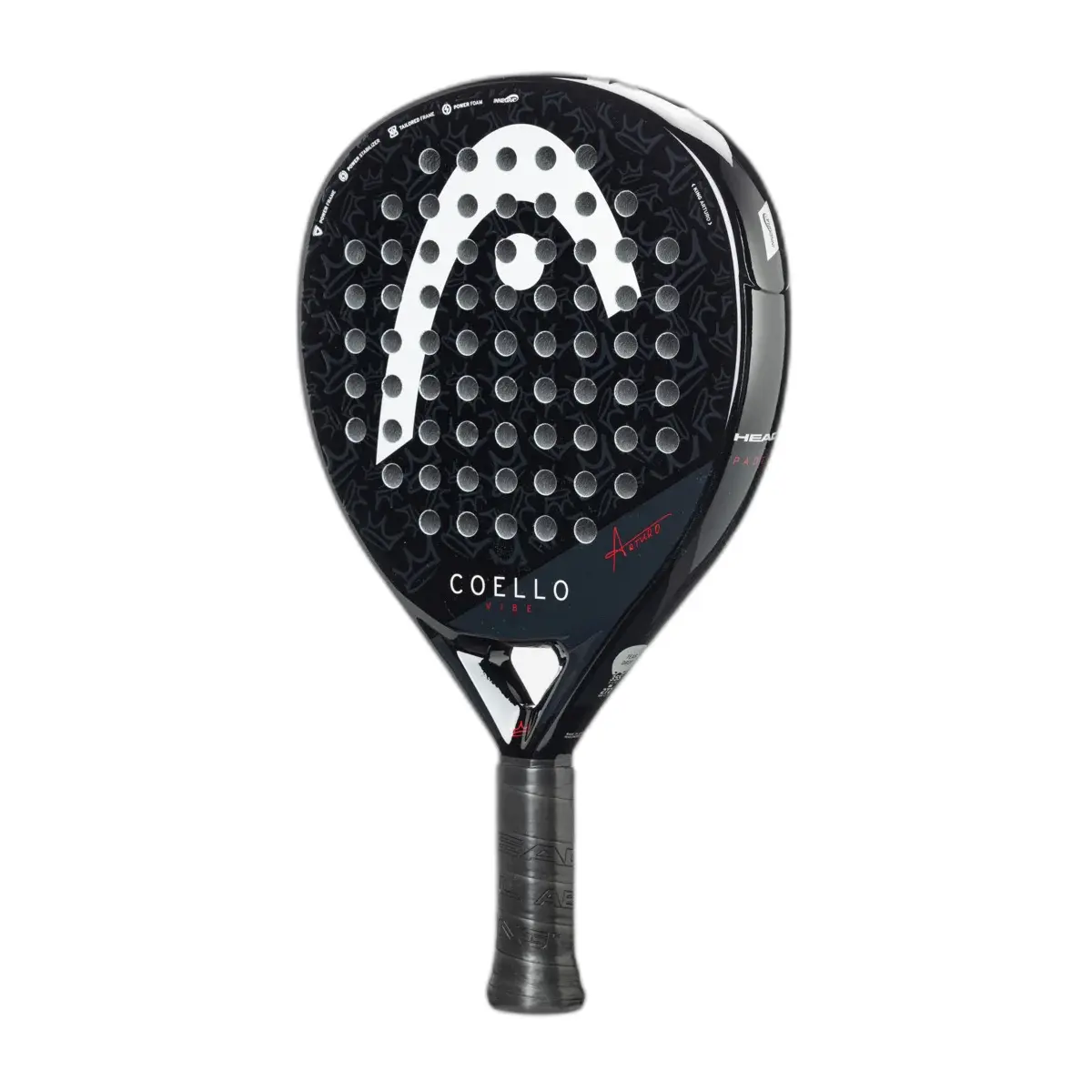
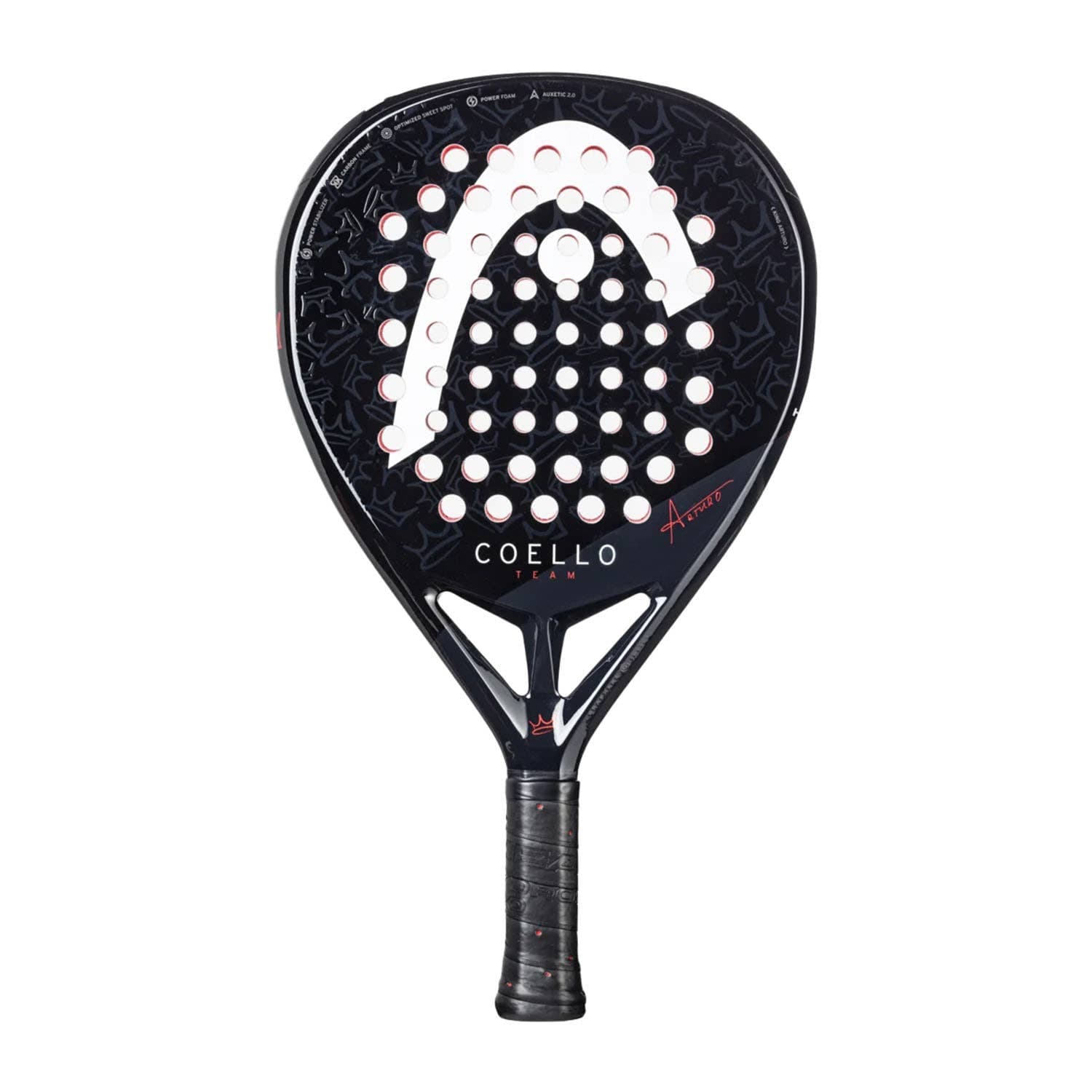
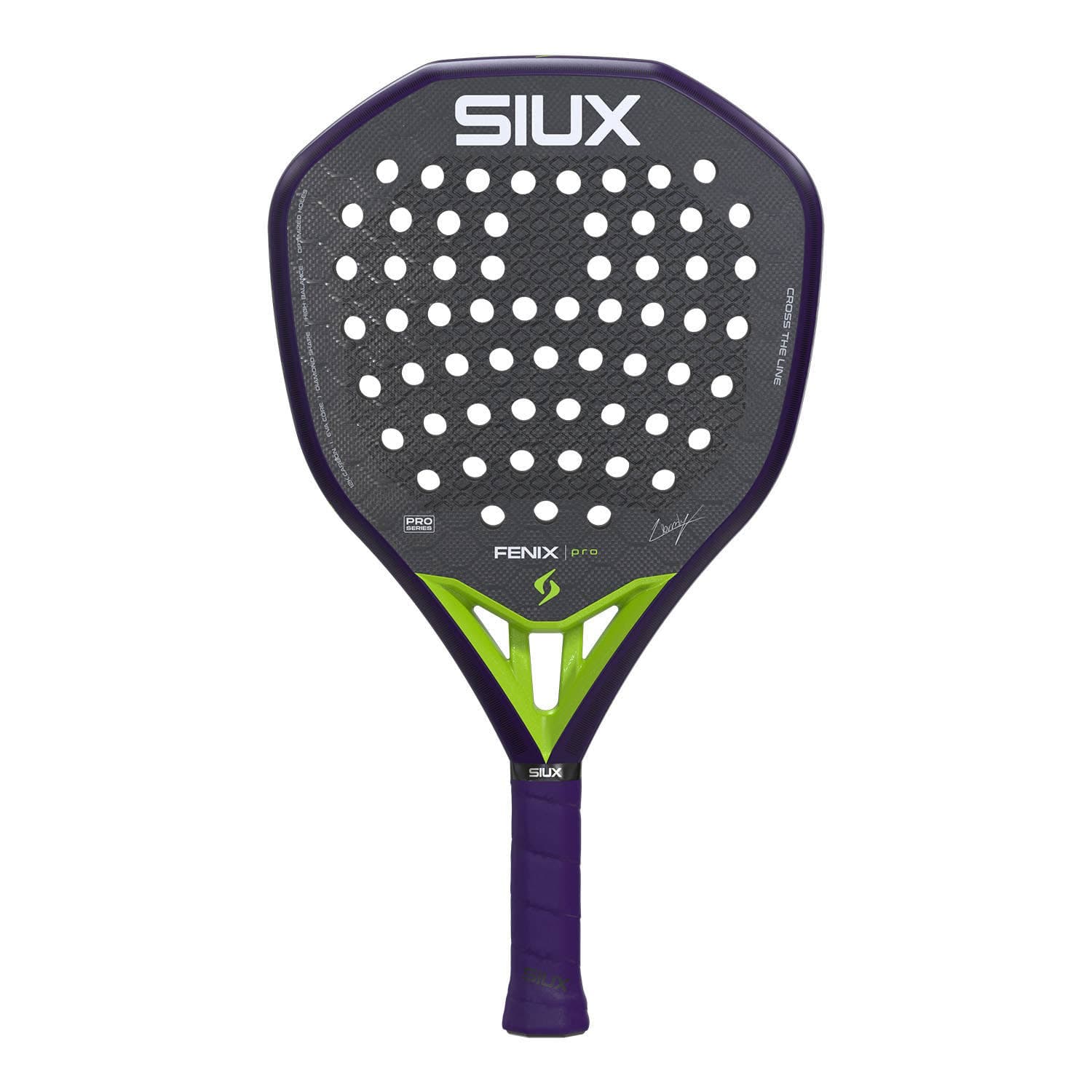
Models we use as orientation points for each surface type. Always check the shop page before buying because product texts can change.



My takeaway
Do not buy a racket only because it says rough, 3D or spin on the frame. First decide on shape, weight, balance, hardness and material. Then use the surface as the final tuning layer.
If you are still building technique, smooth is often the cleanest choice. If you already play vibora, bandeja, slice and kick intentionally, rough or 3D texture can make sense.
Want to find a racket that fits?
Our racket finder asks about level, style, budget and preferences, then suggests models with live price comparison.
Go to Racket Finder