
Adrian Geigle
Founder of PadelFinder.io · April 2026 · 6 min read
Padel Rackets for Intermediate Players
What really matters
Hi, I'm Adrian, founder of PadelFinder.io. If you're reading this guide, you're looking for a racket for intermediate players. Maybe you already bought a racket and you're slowly realising you're ready for a new weapon — you want more power, more control, more spin, or just an upgrade. Let me say up front: the world of intermediate rackets is genuinely complex. Not just different shapes and weights, but different surfaces, core materials and balance points. The good news: you don't need to know everything. There are four criteria that really matter — and we'll walk through them step by step so you end up with the right racket.
How is an intermediate racket different from a beginner racket?
The classic beginner racket is teardrop or round-shaped, lightweight with a large sweet spot. It's built to make getting into padel easy — forgiving, not demanding.
An intermediate racket is more specific. It's no longer the do-everything racket, but designed to amplify your play style. It rewards clean technique but punishes bad hits more. And it gives you tools you didn't need as a beginner — more spin, more power, more precision.
The 4 criteria that really matter
Before you buy a new racket, you should be clear on four things. Once you've answered these for yourself, the selection filters itself down.
What's your play style?
Before committing to any racket, ask yourself honestly how you play:
Defensive / Builder
You build from the back glass, play lobs and slower balls, mostly on the forehand side? Then a round or teardrop racket fits you. You want control and a large sweet spot.
Aggressive / Backhand + Smash
You play a lot of backhand, have a strong smash, maybe even tennis experience? Then you could consider a diamond shape. But honestly: I'd still recommend a teardrop. It gives you enough power without destroying your arm.
Diamond rackets are a big jump. If you're unsure whether you need one, you probably don't yet.
What weight should your racket have?
Weight is one of the underrated factors. You actually do feel those small differences.
Light (350–360 g)
Fast reactions, less arm strain, less power
Medium (360–370 g)
The classic intermediate range
Heavy (370 g+)
More punch, but noticeably more arm strain
The heavier the racket, the harder to maneuver and the more strain on your arm. If you're unsure, pick something lighter rather than heavier. You can always go up — repairing an elbow takes months.
Handle-heavy, head-heavy or balanced?
Balance — where the racket head carries its weight — determines how the racket feels in your hand.
Handle-heavy
Easiest to maneuver, fast volleys, less fatigue. Ideal for defensive play.
Balanced
The best mix of control and power. If you want some power without overloading your arm, go balanced.
Head-heavy
For players with a strong smash who want more speed in their wrist snap. Honestly: for most, that's already one step too far.
My tip: Balanced is almost always the right choice for intermediates.
What's your budget?
The range is huge. Intermediate rackets start around €100 and go up to €300. Be clear about what you're willing to spend, then look at what fits. That's exactly where PadelFinder helps — you always find the best price for any racket without clicking through 10 shops.
€100–150
Solid entry-level intermediate models
€150–250
The sweet spot for most players
€250–350
Premium class, worth it if you play 2–3× per week
€350+
Pro signature models — the gain over €280 is real but small
Honorable Mentions: Surface and Core
These are details that aren't decisive anymore — but good to know for fine-tuning:
Surface: Carbon or Fiberglass?
Most intermediate rackets have a carbon surface — harder, more precise, longer-lasting. Fiberglass is softer and more forgiving, but less accurate. At your level, carbon is the standard.
Rough vs. smooth
Rough surfaces give more spin (10–20 % more on vibora and slice) but wear out after 6–12 months. If you actively play spin, pick rough.
Core: Soft or hard?
The core (EVA rubber) under the surface decides how direct the ball feels. Soft = more control, ball stays on the face longer, arm-friendly. Hard = direct energy transfer, dry feel, more power but harder on the arm. Most intermediate models use medium or soft — a hard core only makes sense once your technique is really clean.
My recommendations
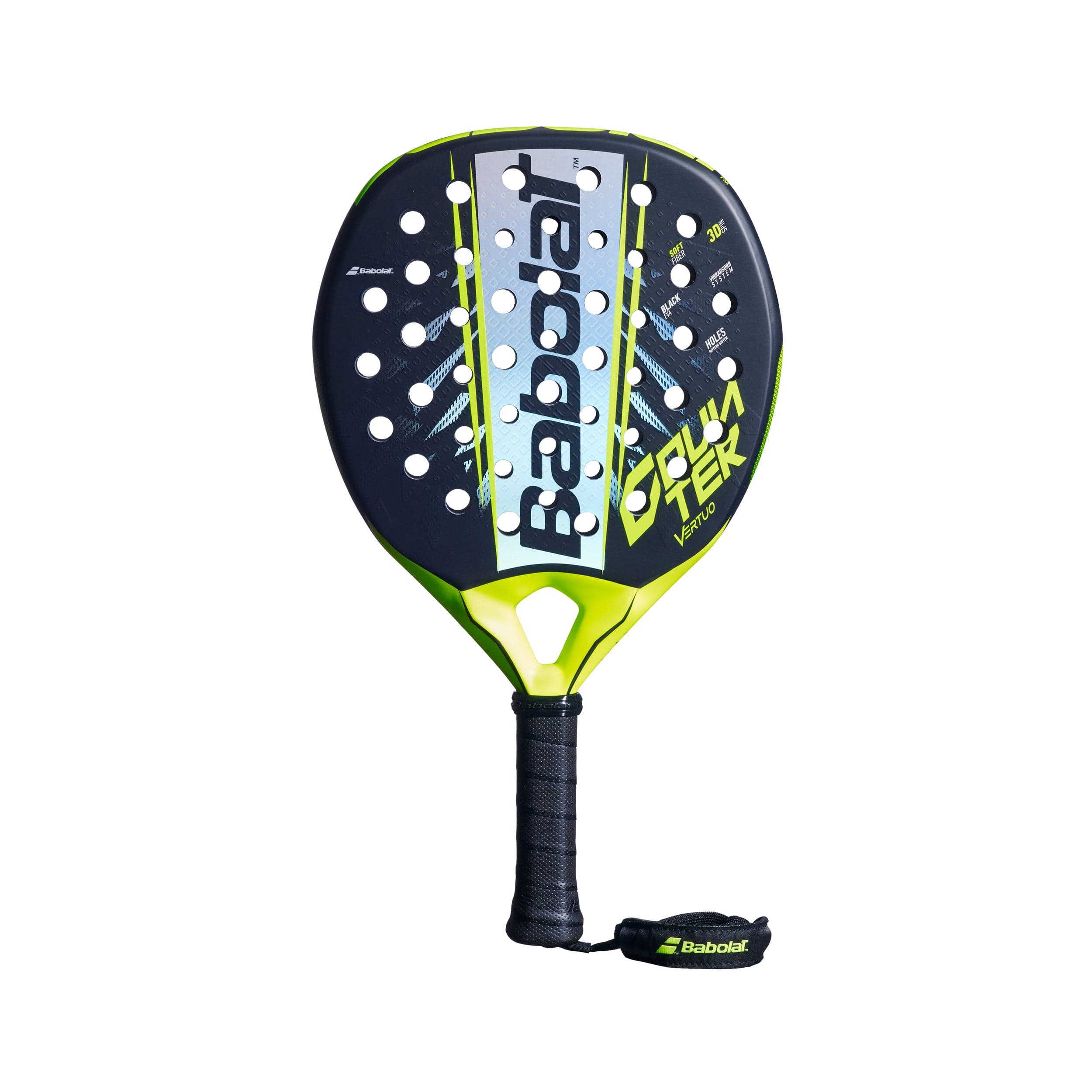
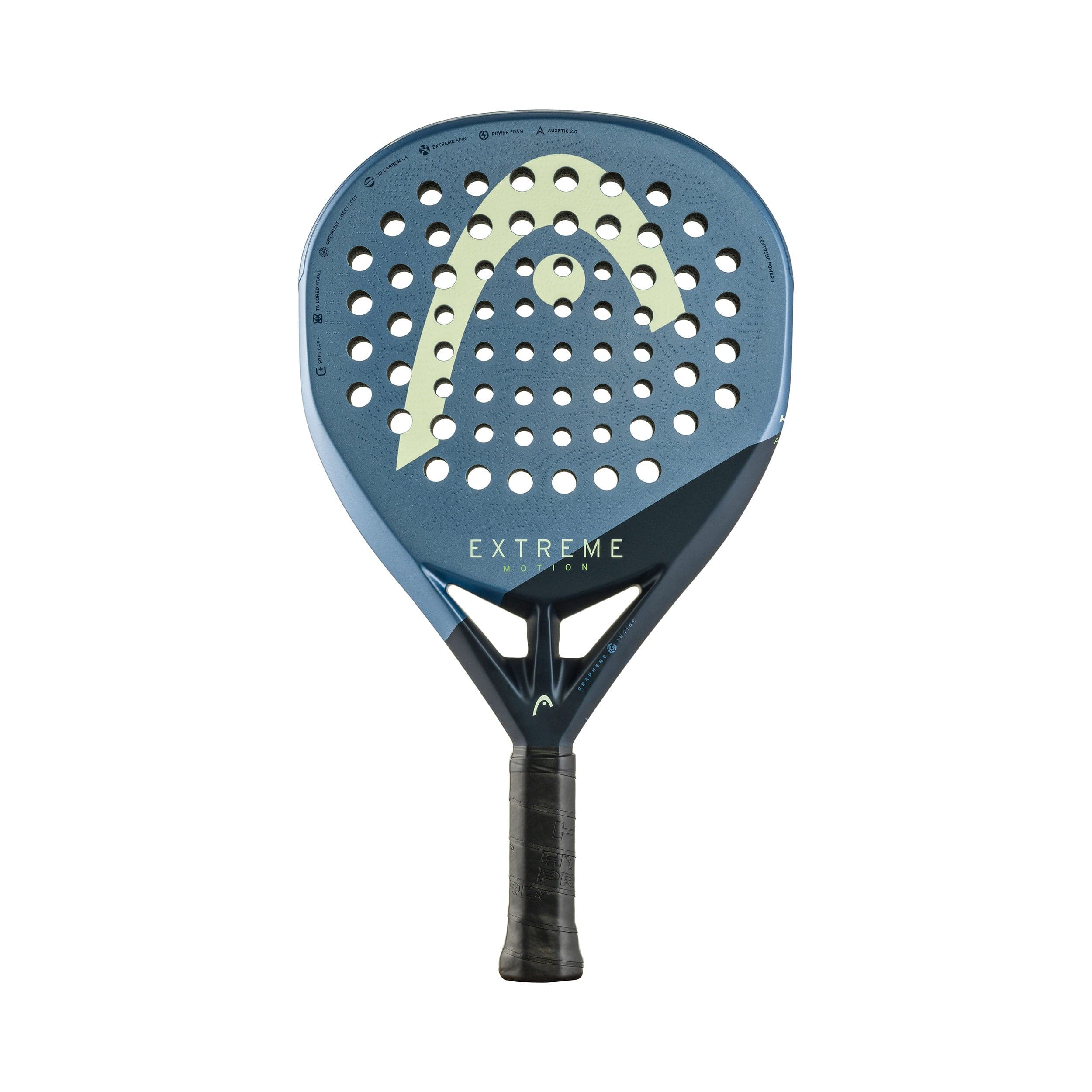
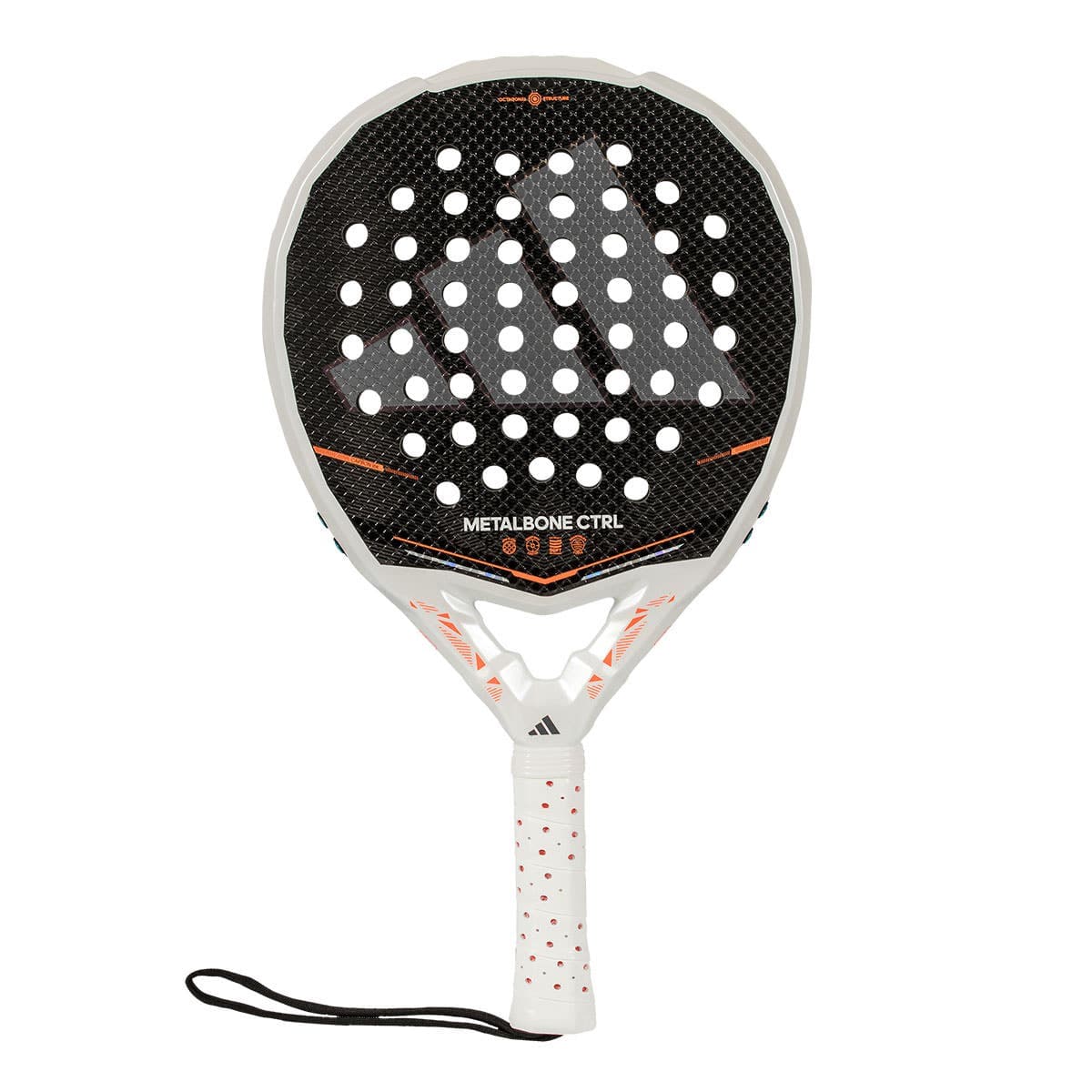
Four rackets I've tested and can recommend — for every style and budget.

My takeaway
Important at the end: the biggest jump in your padel skill level doesn't come from a €100 or €200 racket, it comes from how much you play. Make sure you're on the court often, and don't overthink the racket choice. Racket choice matters — but what you bring to the court matters more.
Still unsure which racket fits?
Our racket finder asks you 13 questions about your play style, level and budget — and recommends the perfect racket.
Go to Racket Finder