
Adrian Geigle
Founder of PadelFinder.io · February 2026 · 5 min read
Which Padel Racket to Buy?
Buying Guide for Beginners 2026
Hey, I'm Adrian — founder of PadelFinder.io and DPV Padel C-licensed coach. I've been playing padel since 2023 and tried a lot of different rackets early on. I quickly realized how confusing the whole thing is: Which racket is right for me? Which one is worth the money? For a while I even thought it didn't matter what you play with. It does — choosing the right racket actually makes a difference. What I was missing: an honest, unbiased opinion. Most people you ask — experts or YouTubers — have some kind of sponsorship deal or want to sell you the most expensive model. No judgment, that's just how the business works. But that's exactly why I'm writing this guide: honest, no sponsorships, no hidden ads. And spoiler: most of the time, a budget-friendly racket is all you need to get started.
When Is It Worth Buying Your First Racket?
If you've only played once or twice, hold off. In the first few weeks, the loaner rackets at the club are perfectly fine — you can try different shapes and weights and develop a feel for what suits you. But if you're playing regularly (at least 1-2 times a week) and know padel is your sport, it's time for your own racket.
Try different loaner rackets — round, teardrop, light, heavy. That's how you find out what feels right.
Determine Your Padel Level
This is the most important point in this entire guide: Be honest with yourself. Before buying a racket, realistically assess where you stand. There's absolutely no point buying a pro racket as a beginner — you'll play worse, not better. A racket that doesn't match your level won't forgive mistakes and will only frustrate you.
Newcomer
You've just stepped on the padel court for the first time. Technique, tactics, and rules are still new to you.
Beginner
You've played a few times and know the rules by now.
Beginner-Intermediate
You're starting to learn basic tactics, you enjoy the game, and you play regularly.
Intermediate
You know what you're doing. You've been playing for a while, you can easily keep up with more experienced players, and your game has structure. Rallies are getting longer — or shorter, because you're finishing the point.
Coming from tennis? Tennis players often have an advantage with better hand-eye coordination and fitness. If you play a two-handed backhand, look for a racket with a longer grip — it gives you more room for both hands.
The Right Racket Shape for Beginners
The shape of your racket determines the size of the sweet spot — the area where the ball bounces perfectly off the racket. You'll recognize the sweet spot instantly: clean sound, soft feel, everything just feels right.
Round
Large sweet spot
Maximum control
Sweet spot in the center — ideal for beginners
Teardrop
Medium sweet spot
Balance of control & power
Good choice as you improve
Diamond
Small sweet spot
More power
Sweet spot at the top — for experienced players
For beginners: Round racket. Period. It forgives mistakes and gives you the control you need at the start. After a few months of improvement, you can switch to teardrop.
Material, Weight & Balance
You do NOT need power.
The most common beginner mistake: Buying a hard, heavy power racket because you want to imitate the pros. You don't need a harder racket. You need control and a good feel.
Carbon (Carbon Fiber)
Stiffer, more precise, more explosive. Transfers energy more efficiently. Better for advanced players with good technique.
Fiberglass
More flexible, softer, more forgiving. Absorbs vibrations better. Ideal for beginners and casual players.
Weight
Beginner rackets usually weigh between 340g and 360g (without overgrip). A 5-gram difference matters less than some claim.
Balance
→ Head-heavy — more power, harder to control
→ Medium — good compromise, ideal if you don't know your play style yet
→ Handle-heavy — faster swing, easier defense, ideal for beginners
Budget: How Much Should You Spend?
Don't spend too much on your first racket! At the end of the day, it's a consumable — and when you smash it against the glass, you don't want your wallet hurting too. Rackets break relatively quickly, especially when you're a bit rough with them early on or play frequently. Unlike tennis, you can't restring a padel racket. Start with a more affordable model, and once you feel confident and ready for the next step, you can always upgrade.
50–120 EUR
Recommended budget for your first racket
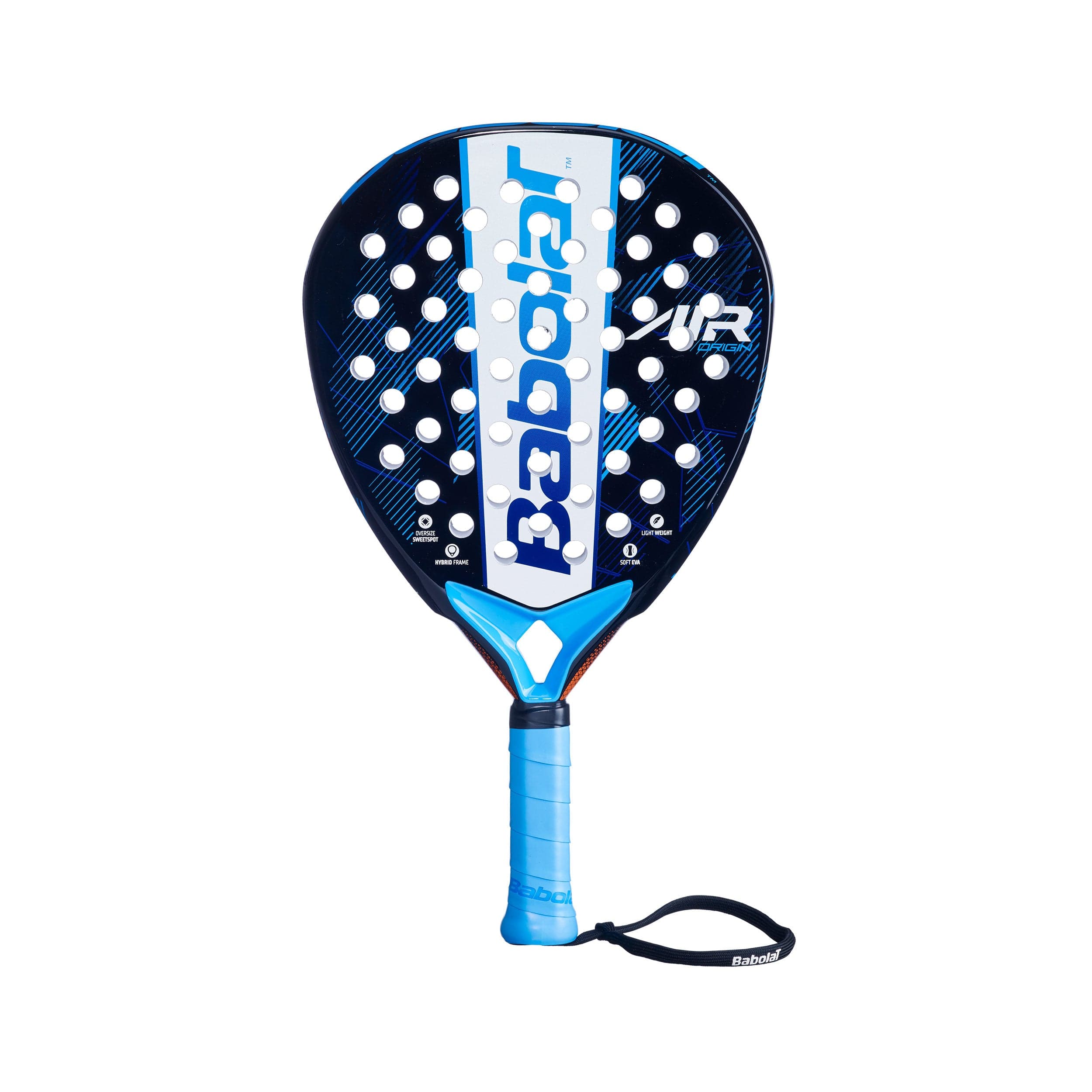
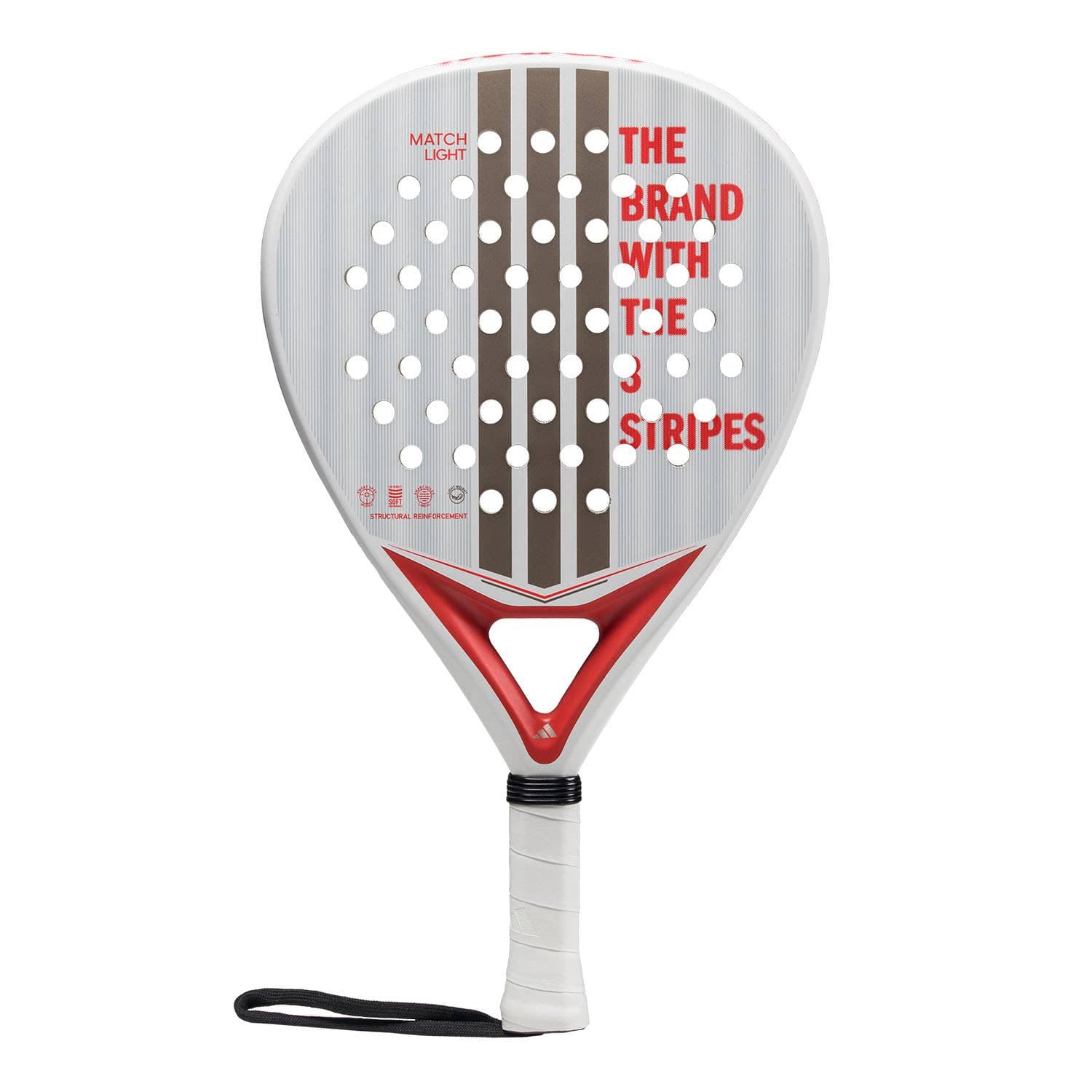
Top Beginner Rackets — Price Comparison
Round and teardrop rackets for beginners, sorted by price.

Still unsure? Let us help.
Our Racket Finder asks you 13 questions about your play style, level, and budget — and recommends the perfect racket for you.
Go to Racket Finder